 11
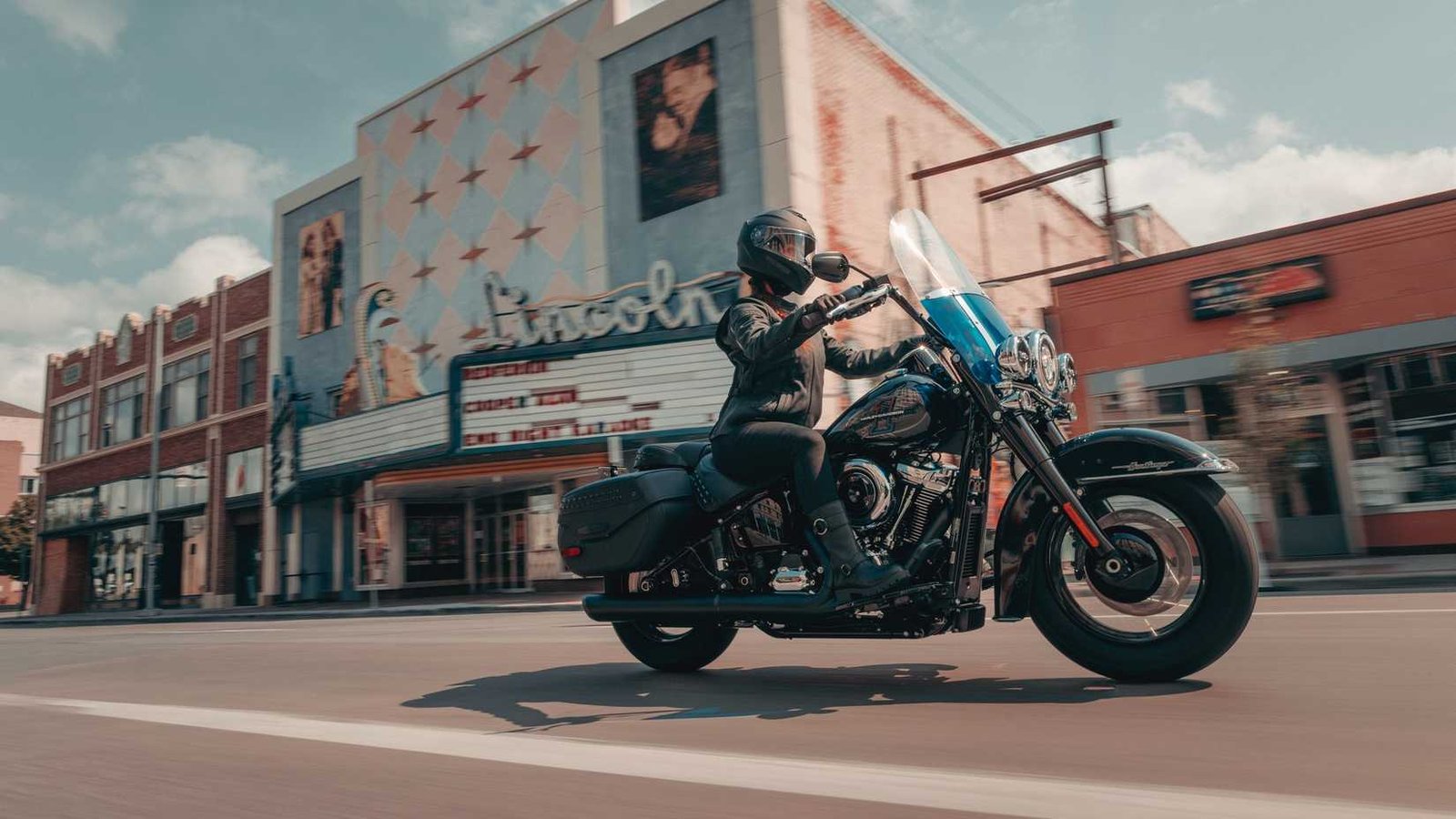
For more than a century, the American V-twin has written the rules of cruising, with a thumping idle, low-rev torque, and big cylinders on display. Lately, though, the segment has started chasing spec sheets instead of soul. Liquid-cooled heads, sophisticated rider aids, and digital displays are increasingly common. None of that is bad engineering, and plenty of riders welcome it. Still, some old-school riders look for a more mechanical kind of honesty, with air-cooled cylinders, deep fenders, and genuine heritage design. In today’s market, that combination has become harder to find. Luckily, one American V-twin cruiser motorcycle still delivers all of it, and it costs less than its looks suggest.

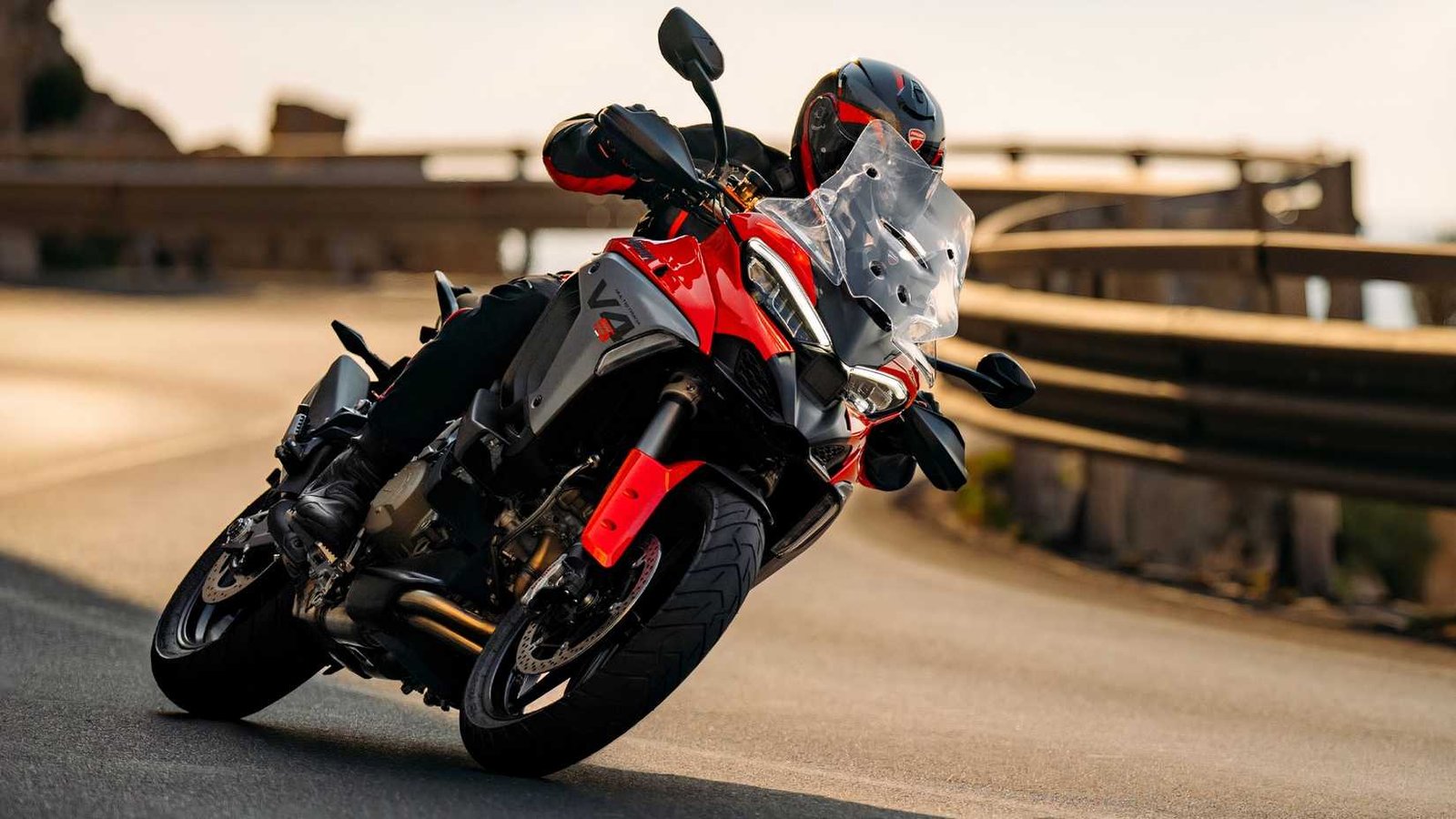
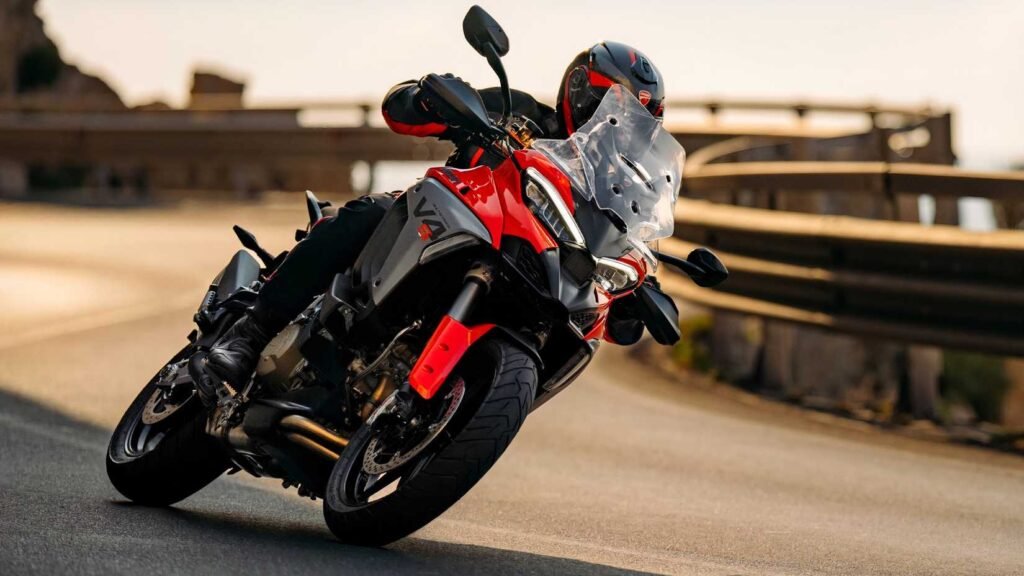
Across the cruiser world, the idea of a big, laid-back motorcycle keeps being redrawn. Honda’s Rebel 1100 offers an automatic dual-clutch gearbox, Triumph builds its Rocket 3 around a 2.5-liter triple, and Ducati’s XDiavel V4 pairs a relaxed riding position with sportbike-level power. Each is impressive in its own way, yet together they show how far the class has drifted from the traditional cruiser definition.
That shift has made American V-twins the natural refuge for riders who still want the old cruiser feel. Harley-Davidson’s Softail family keeps the air- and oil-cooled Milwaukee-Eight 117 in models like the Heritage Classic and the revived Super Glide, while Indian’s Springfield stays loyal to the air-cooled Thunderstroke 116. Of all these holdouts, though, one goes further than simply keeping the old formula alive, and that makes it a veteran rider’s go-to choice.

That motorcycle is Indian’s Chief Vintage, and it wears its history proudly. It draws its inspiration directly from Indian’s 1940s cruisers, and you can see it in the big valanced fenders, the wire wheels, and the floating solo seat. The nostalgia goes deeper than the bodywork, though. Power comes from an air-cooled Thunderstroke 116, the kind of big, unhurried twin that would rather pull than rev. And yes, there’s a touchscreen in the cockpit, but it simply adds a modern touch to what is otherwise a thoroughly traditional package.

The Indian Chief Vintage starts at an MSRP of $19,999, but that’s for the black one. Indian’s signature retro red pushes the price a little higher, to $20,499. That isn’t exactly cheap, but the nostalgia and character on offer make it worth the money. For that price, you get wire wheels, floorboards, the illuminated headdress, and silver engine finishes as standard. Riders who want even more nostalgia can step up to the hand-painted 125th Anniversary Edition from $24,999, but our first ride review found the standard bike already strikes a fine balance between value and premium retro looks.

At the heart of the Chief Vintage sits Indian’s air-cooled Thunderstroke 116. The 1,890cc V-twin uses a long-stroke layout and delivers its peak of 120 lb-ft of torque at just 2,900 rpm. That number says a lot about how it rides. The pull arrives almost the moment you crack the throttle, so overtaking rarely calls for a downshift and a handful of revs. It’s a lazy, muscular kind of performance, and exactly what this style of cruiser demands.
Power flows through a six-speed gearbox with an assist clutch and on to a belt final drive, which keeps things clean, quiet, and free of chain maintenance. Add the deep, unhurried rumble of a big air-cooled twin, and the Thunderstroke sounds every bit as classic as the Chief Vintage looks.

The Chief Vintage takes its cues from the 1940 Chief, widely seen as one of the prettiest motorcycles Indian ever built, and the company didn’t take the task lightly. Its designers worked straight from an older Chief to get the bodywork right. The low-slung fly line, the floating solo saddle, and the vintage handlebars all sell the period look, while the deep-valanced fenders steal the show. The front one carries the illuminated headdress, an Indian hallmark since 1947, with wire wheels peeking out below.
Even the engine plays along. Its black cylinders keep non-machined fins, and the heads and pushrod tubes are painted silver to echo the aluminum heads of early Chiefs. It’s a modern motor in period dress, and it sits proudly on display. Park the Vintage beside the original Chief, and you’d swear they came from the same era.

Underneath, the Chief Vintage shares its steel-tube frame with the rest of the Chief family, paired with a narrow cast-aluminum rear subframe. Up front, a 46mm fork offers 5.2 inches of travel, while twin preload-adjustable shocks tucked low at the rear provide 3.0 inches. It’s a simple, traditional setup, tuned for comfort over sharp handling.
With a 64-inch wheelbase and a 721-pound wet weight, the Chief Vintage prioritizes stability over agility, staying calm and planted on the highway. A 27-inch seat height keeps your feet flat on the ground at stops, while mini-ape bars on a 3-inch riser and wide floorboards set you upright and relaxed for the long haul. Braking comes from a single 298mm floating disc at each end, gripped by a four-piston caliper up front and a two-piston caliper at the rear.

The Chief Vintage may look retro, but its feature list is firmly modern. The highlight is a 4-inch round TFT display running Indian’s Ride Command system. Alongside the usual readouts, it handles navigation, Bluetooth connectivity, and ride data, and it can be paired with an optional Bluetooth speaker. The lighting is all-LED, and keyless ignition, cruise control, and USB and 12-volt charging ports come standard. The ride-by-wire throttle offers three modes, Tour, Standard, and Sport, and the rear cylinder shuts down at a standstill to keep heat off your legs in traffic. There’s no six-axis IMU, though.

The Chief Vintage isn’t the only way to buy into nostalgia. Harley-Davidson’s Heritage Classic also starts at $19,999 and pairs its air- and oil-cooled Milwaukee-Eight 117 with lockable saddlebags, making it the more road-trip-ready choice straight out of the showroom. The Fat Boy, from $22,599, goes for chrome-heavy swagger inspired by its 1990s original. Look beyond America, and BMW’s R 18 delivers a similar sense of occasion with its huge boxer twin and styling borrowed from the brand’s 1930s machines.
Picking between them comes down to taste, and none is a wrong answer. But if the cruiser world has been chasing spec sheets instead of soul, the Chief Vintage is one of the few heading the other way. It was never built to chase numbers. It’s built to feel right the moment that big air-cooled twin settles into its lazy idle, and for the right rider, that matters more than anything else.
Source: Indian